Leverage CEO Weifeng Qu was invited to participate in the group standard review meeting of "Guidelines for Traceability of Wasted Plastics from Marine Fishing and Accounting Carbon Emission Reduc
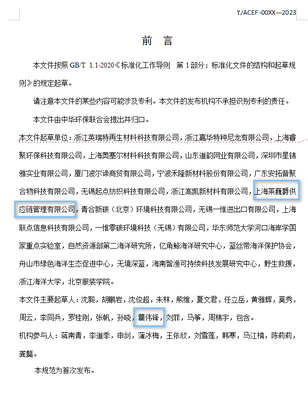
Organized by the All-China Environment Federation, several organizations collaborated to draft the "Guidelines for Traceability of Wasted Plastics from Marine Fishing and Accounting Carbon Emission Reduction." This group standard has now been completed and is ready for review following extensive consultations. In the morning of December 19, 2023, the All-China Environmental Federation held a meeting to review the group's standards, conducted both online and offline. Mr. Qu Weifeng, CEO of Leverage and one of the main drafters of these standards, participated in the meeting online.
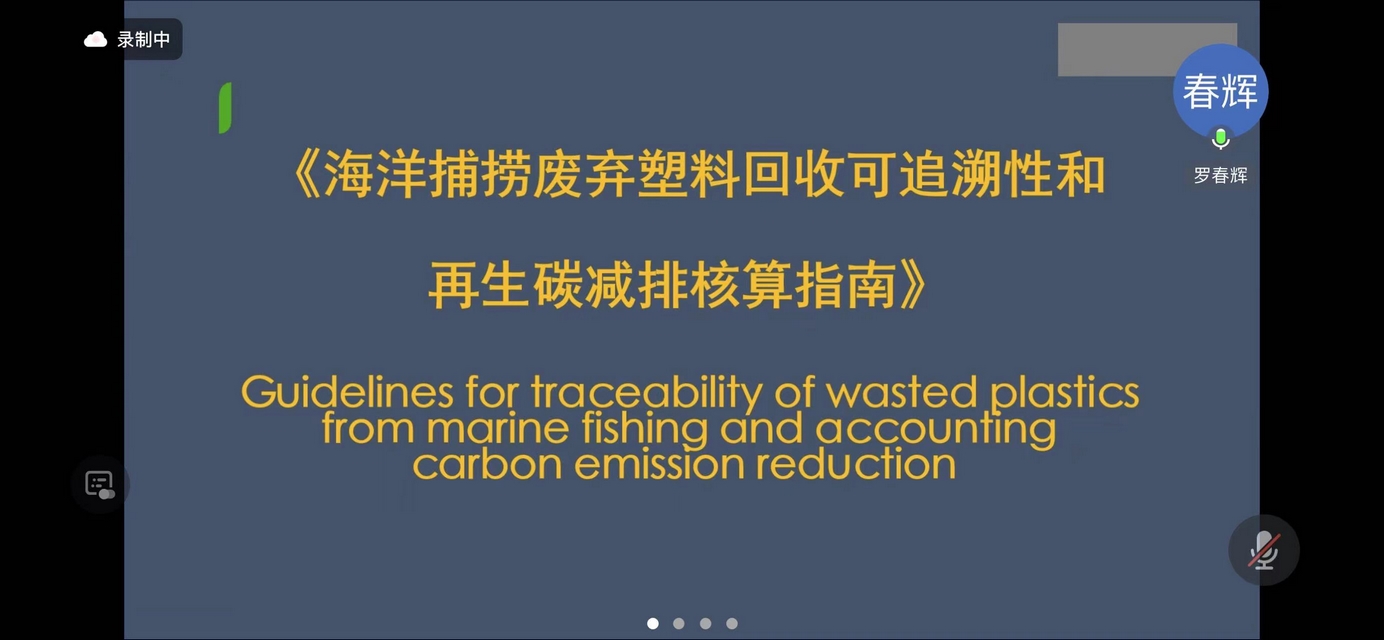
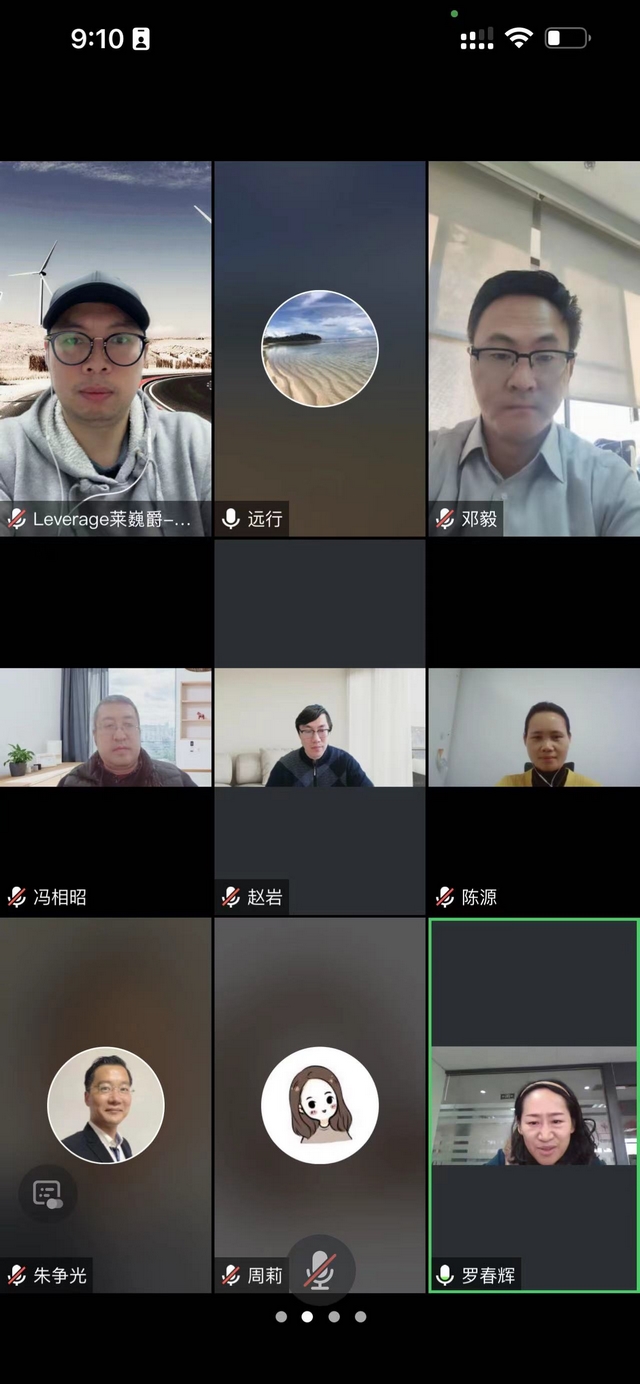
At the beginning of the meeting, the relevant person in charge of the All-China Environmental Federation introduced the participating experts, the units of the preparation group and the meeting procedures and requirements. After the leader's speech, the preparation group made a detailed report on the handling of the previous consultation. After that, the group leader reviewed chapter by chapter, article by article and sentence by sentence on the "Guidelines for Traceability of Wasted Plastics from Marine Fishing and Accounting Carbon Emission Reduction (draft for review)", discussed and questioned and formed expert opinions and draft meeting minutes.
The review panel includes seven industry experts: Li Daoji from East China Normal University, Feng Xiangzhao from the Ministry of Ecology and Environment, Wei Honglian, Chief Engineer at the Solid Waste Management Center, Chen Yuan from Tsinghua University/UNEP, Zhao Yan from Beijing Normal University, Zhou Li from the China Institute of Standardization, and Zhu Zhengguang from WWF. This panel will assess the draft of the group standard and provide valuable suggestions. Mr. Qu, who is also the Chairman of the Leverage Sustainable Development Committee and an expert from the ACEF ESG Think Tank Committee, attended the meeting and actively participated in the discussions and questioning alongside the other experts present.
Approximately one million tons of plastic enter the ocean each year, with a significant portion of marine debris originating from land, particularly from fishing gear, which constitutes the majority. Most of this gear is made from synthetic plastics that do not degrade in the ocean. Establishing traceability management for waste plastics is essential for addressing the issue of marine waste from fishing gear. Additionally, recycling discarded fishing gear can play a vital role in reducing carbon emissions, contributing to both environmental sustainability and climate change mitigation.
The understanding of the life cycle and end-of-life management of waste fishing gear recycling is limited. Establishing traceability management for waste plastics is crucial for addressing the issue of marine waste from fishing gear. By implementing effective recycling practices for discarded fishing gear, we can not only tackle the problem of marine debris but also contribute to reducing carbon emissions, enhancing overall environmental sustainability.
Therefore, the establishment of a project for Marine fishing waste plastics, especially the traceability of fishing gear and the carbon emission reduction accounting standards for the recycling of waste plastics, has a good guiding role for fishery management departments, enterprises, public welfare organizations and practitioners, and can encourage the whole society to participate in Marine protection actions.
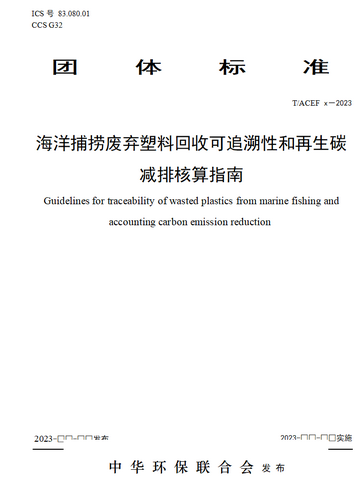
The group standard for the "Guidelines for Traceability of Wasted Plastics from Marine Fishing and Accounting Carbon Emission Reduction" focuses on waste plastics generated in marine operations, particularly fishing nets and gear. This standard aims to establish carbon emission reduction accounting methods for the recycling of marine plastics, ensuring the authenticity of data sources related to marine plastics recycling. Additionally, it seeks to create a low-carbon cycle traceability evaluation system for the recycling processes. This framework will provide evaluation criteria for the subsequent certification of marine regeneration products, promoting transparency and sustainability in marine plastic management.
At present, Marine plastic waste is mainly in fishing gear, and in terms of salvage, it is realized by sending special cleaning ships or machine technology. The recyclable materials collected from fishing net waste are sorted, classified and prepared to become facilities for processing and manufacturing marketable goods. The "Guidelines for Traceability of Wasted Plastics from Marine Fishing and Accounting Carbon Emission Reduction" plays a crucial role in outlining waste management pathways, recycling methods, and the conditions necessary for effective marine waste plastic recycling. It provides essential information on data requirements and types, serving as a valuable reference throughout the entire process.
Because of those endless ocean wastes, Marine life, including plankton, shellfish, birds, turtles, and mammals, faces significant threats from plastic waste. This pollution can lead to poisoning, impaired mobility, starvation, and suffocation. Additionally, corals, mangroves, and seagrass beds may become buried under plastic debris, depriving them of essential oxygen and light.
Marine plastics can serve as a valuable source of recycled materials, helping to reduce pollution in waterways while also fostering economic development. Enhancing the recognition of recycled plastics and improving their market access can significantly contribute to the growth of a circular economy.


If you want to know more information, please contact us:
■ Shanghai :
Leverage Limited (Shanghai) Co., Ltd.
Address: Room 402, No 2. Building, No .1328, Hengnan Rd, Shanghai, China
Phone: + 86 21 64067720
Email: info@leveragelimited.com
■ Hongkong :
Leverage Global Limited
Address: Room 1318-19, Hollywood Plaza, 610 Nathan Road, Mongkok, Kowloon, Hong Kong


【Contact Us】
Tel:
+86 21 64067720
Email: info@leveragelimited.com
Related Posts


Our Partners